Home › Concrete Demolition and Replacement
Renew deteriorated surfaces with commercial concrete demolition in New Orleans, LA followed by high-quality replacement. We tear out and replace damaged slabs, pavements, and loading areas with minimal downtime. Our crews plan phasing and access to keep your business operating. Contact us for a quote on commercial concrete demolition and replacement.
Superior Concrete New Orleans provides professional commercial concrete demolition throughout New Orleans, LA, Louisiana and the surrounding area. Our licensed, insured crew delivers safe, clean, on-time work with a free estimate before anything begins. Call (504) 226-5854 or request your free quote.
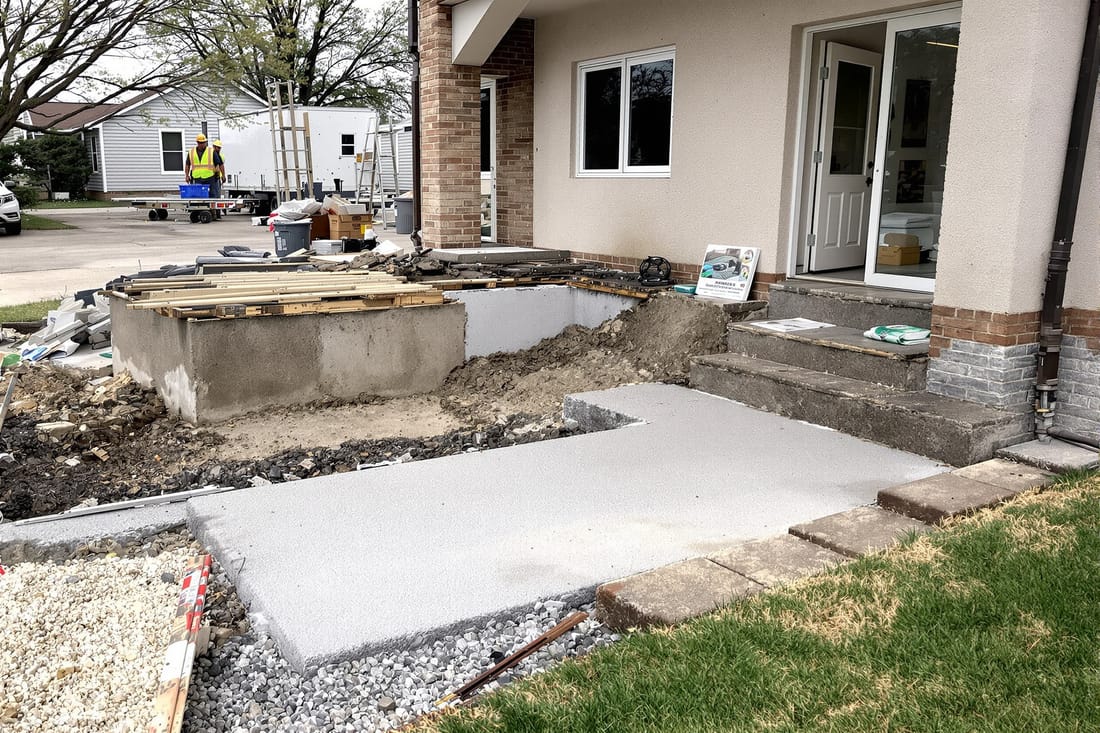
Thoughtful Concrete Demolition and Replacement for New Orleans Properties
When concrete starts to sink, crack, or break apart, it is not just an eyesore. It can become a trip hazard, flood risk, or code issue. Superior Concrete New Orleans focuses on commercial concrete demolition and replacement that fits how buildings and sites in New Orleans actually work, from raised walkways near the Quarter to loading areas in industrial parks.
We begin with a site visit, not a standard template. We look at what is failing (slabs, walkways, ramps, dumpster pads, drive lanes, equipment pads), how often the area is used, and what types of loads it carries. For example, a restaurant parking lot off Veterans needs different thickness and reinforcement than a warehouse near the port that sees daily 18‑wheeler traffic.
You also get a straight conversation about whether full demolition is necessary. In some cases only a section of a slab needs to come out, which can save both cost and downtime. In other cases, such as slabs with widespread subsurface washout or severe rebar corrosion, keeping anything becomes risky. Our goal is to protect your property value, insurance standing, and day‑to‑day operations, not just pour new concrete for the sake of it.
How Commercial Concrete Demolition Is Actually Performed
Safe demolition in New Orleans starts with what is underground and overhead. Before equipment ever arrives, we request utility locates for gas, water, sewer, and communications. On older streets and industrial sites it is common to find shallow utilities or undocumented lines, so we often do additional probing and test pits to avoid surprises.
For sidewalks, small pads, and lighter slabs we typically use concrete saws to cut clean edges, then break up the interior with hydraulic hammers, jackhammers, or skid steers with breaker attachments. For thicker commercial slabs, dock areas, or heavily reinforced sections we may bring in heavier equipment that can handle deep concrete and dense rebar. Where noise or vibration is a concern, such as next to medical offices or hotels, we sequence the work and choose methods that limit disruption.
Debris handling matters just as much as breaking concrete. We load broken concrete into trucks or containers on site and haul it to concrete recyclers whenever possible. This keeps your site cleaner, reduces landfill use, and can sometimes improve permit reviews when cities ask about waste handling. We maintain clear access routes for tenants and customers, and when necessary we phase demolition in sections so your business can keep operating while the work progresses.
Subgrade Preparation and Pouring Replacement Concrete
Demolition is only half the job. In New Orleans, what sits under the slab is often the real issue. After the old concrete is removed, Superior Concrete New Orleans inspects the exposed base for soft spots, voids, organic material, or signs of storm‑related washout. We frequently encounter loose fill, old shells, or mixed construction debris beneath older commercial slabs.
We rework the subgrade by removing unsuitable material, compacting in layers, and adding crushed stone or other base as needed. In areas with poor natural drainage, such as low sections between buildings or behind shopping centers, we may incorporate slight slope adjustments or sub‑surface drains to keep water from sitting under your new slab.
For the new concrete, we select mix designs based on how the area is used. A retail entry walk with foot traffic does not need the same strength and thickness as a truck court behind a grocery store. We typically use higher strength mixes for commercial concrete demolition and replacement projects, often with air entrainment to help the slab handle repeated wetting and drying. We install rebar or wire mesh where appropriate, place control joints on a layout that fits your site, and follow curing practices suited to our humid Gulf Coast climate so the slab gains strength as intended.
Finishes are tailored too. Parking lots and loading zones usually receive a broom finish for traction. Dumpster pads might get a heavier broom with sealed edges for easier cleaning. ADA ramps and accessible routes get compliant textures and slopes to meet current code rather than whatever was there in the past.
What Affects Cost and Timeline for Commercial Concrete Demolition
Concrete demolition and replacement costs in New Orleans vary more by site conditions than by square footage alone. Accessibility is usually the first factor. If we can bring equipment and trucks close to the work area, labor time and hauling costs are lower. Tight courtyards, upper‑level slabs, or areas that require small tools and hand carry can add time.
Thickness of the old slab, amount of reinforcing steel, and embedded items like bollards or old anchor bolts all influence demolition effort. We check for these during the initial assessment so we can give you a realistic estimate instead of a low number that grows after work begins.
Subgrade corrections are another key driver. If the soil under the slab has been undermined by broken drainage, repeat flooding, or past utility work, we may need additional base materials and compaction time. Fixing these issues during replacement is often the difference between a slab that lasts decades and one that cracks again in a year or two.
Timeline is also shaped by your business operations. For 24‑hour locations, medical facilities, or high‑traffic retail, we can structure work in phases, work off‑hours, or schedule sections so critical entrances stay open. We also consider the local weather patterns. In New Orleans, late fall and winter often offer more stable temperatures and fewer severe afternoon storms than midsummer, though we routinely pour year‑round and adjust scheduling around forecasted rain.
Local Conditions That Affect Your New Slab’s Performance
New Orleans has high groundwater, frequent heavy rain, and plenty of live‑oak roots, so commercial concrete faces different challenges here than in drier cities. Superior Concrete New Orleans designs replacement concrete with these specific conditions in mind.
We pay close attention to drainage patterns. A slab that is flat on paper may become a birdbath in a Gulf Coast downpour. When replacing walks, patios, and service areas, we aim water away from buildings and door thresholds and, where feasible, toward drains or landscaped areas that can absorb runoff. In alleys and shared access drives, we coordinate slope changes so water does not end up on a neighbor’s lot or at your loading bay doors.
Tree roots are another recurring issue. Instead of simply re‑pouring over lifted concrete, we identify root paths, adjust layout where possible, and sometimes incorporate root barriers along walkways or parking islands. This reduces the risk of the same cracking and heaving reappearing in a few seasons.
Seasonal timing also matters for finish quality and curing. Hot, humid afternoons with sudden storms can cause surface defects if the pour is not planned correctly. We often schedule larger slabs and critical finishes earlier in the day, use curing methods suited to heat and humidity, and protect fresh concrete from unexpected showers and debris that strong coastal winds can bring.
What to Ask Before You Hire a Concrete Demolition Contractor
Before committing to a commercial concrete demolition project, it helps to ask the right questions. You should know whether the contractor is licensed and insured in Louisiana and whether they commonly work on properties similar to yours, such as multi‑tenant retail centers, warehouses, or office complexes.
Ask how utilities will be located and protected. A careful contractor will explain the steps they take before breaking ground, including 811 locates and any additional private locating if necessary. You also want to hear how debris will be handled and whether concrete will be recycled when possible.
Clarify the full scope of replacement. This includes slab thickness, reinforcement type, joint layout, surface finish, and curing methods. In New Orleans it is helpful to ask specifically how they address drainage and soil conditions, since simply pouring a thicker slab does not solve base or water problems.
Superior Concrete New Orleans provides written proposals that outline demolition methods, base preparation, concrete specifications, and expected timelines, along with how we will protect adjacent structures, landscaping, and ongoing business activity. Our goal is to leave you with a commercial‑grade concrete installation that fits your property, your budget, and our unique Gulf Coast environment, and to ensure you understand each step before the first section of concrete is removed.