Home › Concrete Sealing and Maintenance
Protect your investment with professional concrete sealing in New Orleans, LA. We seal driveways, patios, sidewalks, and slabs to guard against moisture, stains, and surface wear. Our concrete sealing services include cleaning, joint inspection, and periodic maintenance plans. Contact us today to schedule concrete sealing and keep your surfaces looking their best.
Superior Concrete New Orleans provides professional concrete sealing throughout New Orleans, LA, Louisiana and the surrounding area. Our licensed, insured crew delivers safe, clean, on-time work with a free estimate before anything begins. Call (504) 226-5854 or request your free quote.
Concrete Sealing in New Orleans: Why It Matters More Here
Concrete in New Orleans takes a beating. Between heavy rain, high humidity, street flooding, and intense sun, unsealed concrete ages faster here than in drier climates. At Superior Concrete New Orleans, we see the same pattern over and over: driveways and patios that are only 3 to 5 years old already showing dark mildew staining, surface pitting, and small cracks, simply because they were never sealed or maintained.
Concrete sealing is not just about making things look nicer. A proper sealer creates a protective barrier that helps keep water, de-icing salts from winter road treatments, spilled oil, and moisture-driven mildew out of the pores of the concrete. That means less cracking from moisture expansion, less surface scaling, and fewer ugly rust stains from lawn furniture and metal fixtures.
In New Orleans, the most common problem we treat before sealing is organic growth. Shade, live oaks, and everyday humidity allow mildew and algae to grab onto porous concrete in areas like Lakeview, Gentilly, and Uptown. Once that growth settles in, it holds moisture against the slab, which speeds up deterioration. With the right cleaning and sealer, we can slow that process way down and keep surfaces much easier to wash.
If you are seeing dark patches that do not rinse off, a chalky or dusty surface, small chips along the edges, or a driveway that turns slick when wet, it is a good sign your concrete is ready for professional sealing and maintenance. Sealing sooner rather than later is almost always cheaper than repairing or resurfacing later.
Our Concrete Sealing Process, Step by Step
Superior Concrete New Orleans follows a consistent, detailed process on every concrete sealing project. The goal is simple: clean, dry, stable concrete that can bond tightly with the right sealer for our climate.
1. Inspection and moisture check: We start by walking the entire area with you. We look for cracks, low spots that hold water, old sealer, oil stains, and flaking areas. In some cases we do a simple plastic sheet test or use a moisture meter to see how much moisture is moving through the slab. This matters because New Orleans has a high water table and some sealers do not perform well on very damp concrete.
2. Deep cleaning and stain removal: We use a combination of degreasers, mildew removers, and low to medium pressure washing. For oil stains on driveways, we apply a poultice cleaner that draws oil out of the pores before rinsing. For mildew and algae on shaded patios or pool decks, we use a cleaner that kills growth at the roots so it does not return immediately under the sealer.
3. Minor repairs before sealing: It rarely makes sense to seal over active problems. We fill hairline and small structural cracks with a compatible crack repair product and grind down raised or rough spots as needed. If we find sections that are breaking apart, we will discuss patching or resurfacing options before we move forward with sealing.
4. Surface prep and old sealer removal: If there is an old failing sealer that is peeling or turning cloudy, we may mechanically grind or chemically strip it. New sealer laid over weak or incompatible old sealer will not last. Proper prep is where many quick, low-bid jobs cut corners, which is why they fail early.
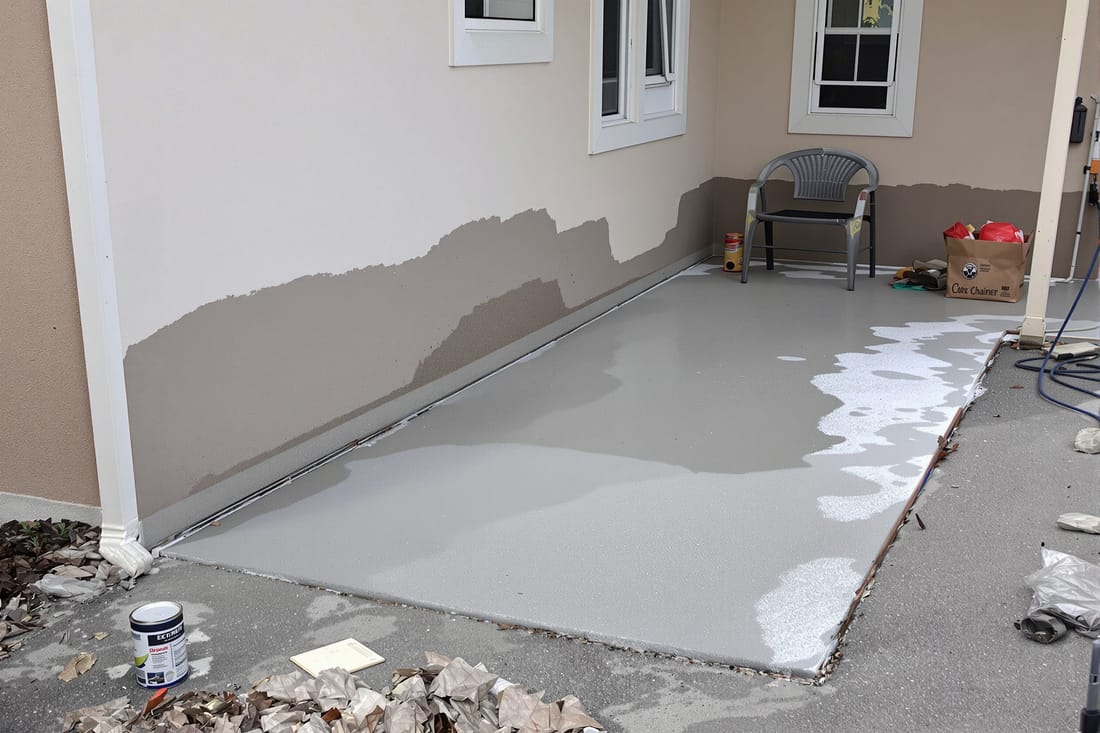
5. Sealer application: Based on what we find, we apply one or more thin coats using a sprayer, roller, or both, depending on the product and surface. We work in small, controlled sections to avoid lap lines and to keep a consistent finish. Joints and edges along brick, siding, or landscaping are carefully cut in by hand.
6. Final walk through and cure guidance: When we are finished, we walk the project with you and show you how the sealer is behaving as it starts to cure. You get clear written instructions on when you can walk on it, when vehicles can return, and how to clean it so you do not accidentally damage the new coating.
Sealer Options That Actually Work in New Orleans
There is no one best concrete sealer for every situation, especially in a wet, coastal climate like New Orleans. At Superior Concrete New Orleans, we help you choose a product based on how the concrete is used and how much maintenance you are comfortable with.
Penetrating sealers (silane, siloxane, or blended). These soak into the pores of the concrete instead of forming a film on top. They are excellent for driveways, walkways, and steps, because they do not make the surface look shiny or feel slippery when wet. They are very breathable, which is important in areas like New Orleans East or Metairie where slabs may have vapor moving up from below. These usually last 3 to 7 years depending on exposure.
Acrylic film forming sealers (water or solvent based). These sit on the surface and slightly darken or enhance the color of the concrete. They are popular for decorative or stamped concrete patios, colored driveways, and pool decks. We often use slip resistant additives on pool surrounds or sloped driveways to keep things safe in our frequent rain. Longevity is typically 2 to 4 years before a recoat is recommended.
High build sealers and coatings. For some specialty areas, such as heavy traffic commercial entries or decorative showroom style finishes, we may suggest more robust coating systems. In those cases, we will discuss the pros and cons, including cost and maintenance responsibility.
One thing we are careful about in New Orleans is breathability. With high ground moisture and frequent rainfall, using a non breathable or overly thick film on outdoor concrete can trap moisture, which leads to blisters, whitening, or peeling. We prefer products that balance moisture vapor transmission with good protection.
For most residential projects, we will show you real sample boards so you can see the difference between a natural, matte sealed look and a glossier enhanced finish before we commit to a product.
Maintenance: How to Keep Sealed Concrete Looking Good for Years
A quality sealer is only part of the story. How you care for your concrete after sealing has a big impact on how long it looks good and how soon you will need a recoat. Superior Concrete New Orleans gives each customer a simple care plan tailored to the specific sealer used.
Routine cleaning: For most sealed surfaces, a garden hose, a soft bristle broom, and a mild concrete-safe cleaner are enough. Blasting sealed concrete with very high pressure every month can shorten the life of the sealer. We typically recommend a light rinse every few weeks during pollen or leaf drop seasons and a deeper clean once or twice a year.
Dealing with stains quickly: On driveways, we encourage homeowners to address oil drips, transmission fluid, and rust spots as soon as they notice them. Although sealers slow down absorption, they are not perfect. The longer a spill sits, the more likely it is to leave a shadow. We can provide or recommend cleaners that are compatible with your sealer so you do not accidentally strip or dull the finish.
Mildew and algae in shaded areas: In yards with heavy tree cover or privacy fences, even sealed concrete can develop a light film of mildew on the surface. The good news is that with a proper sealer, that growth is usually at the top and comes off with the right cleaner and light brushing, instead of soaking deep into the slab. This is one of the biggest advantages our New Orleans customers notice over time.
Re sealing schedule: In our climate, we usually suggest inspecting sealed concrete every 2 to 3 years. You are looking for dulled color on decorative concrete, water that no longer beads up, or traffic lanes that start to darken. For many homes, a recoat is needed around the 3 to 5 year mark, depending on use and sun exposure. A quick, proper recoat is far more affordable than waiting until the surface has degraded enough to need repairs.
Seasonal timing: The best time to schedule sealing in New Orleans is typically fall through early spring, when humidity is moderate and afternoon thunderstorms are less predictable. We can and do seal in summer, but we are more careful with scheduling because of pop-up storms and higher surface temperatures on driveways.
Cost, Scheduling, and What To Ask Before You Hire
Concrete sealing costs in New Orleans vary based on square footage, how much prep work is needed, and the type of sealer you choose. Large, relatively clean driveways with minimal repairs and a penetrating sealer are on the lower end per square foot. Smaller patios with heavy mildew, multiple oil stains, or failing old sealer that must be stripped will cost more per square foot because prep time is greater.
At Superior Concrete New Orleans, we give on site estimates whenever possible so we can see exactly what we are dealing with. During that visit, we will measure, check drainage, identify any areas that hold water after rain, and determine whether old sealers are present. This helps us avoid surprise change orders and lets you see where your money is being spent.
Before you hire any contractor for concrete sealing, here are a few smart questions to ask:
1) What specific type or brand of sealer will you use, and why is it suited to New Orleans humidity and rainfall
2) How do you handle moisture testing or very damp slabs
3) How will you clean and prep the surface, and will you remove failing old sealer if needed
4) What is the realistic lifespan of this sealer in our climate, and how often should it be maintained or recoated
You should also make sure they provide clear guidance about vehicle and foot traffic restrictions. With most products we use, you can walk on the surface within 24 hours and drive on it after 48 to 72 hours, but this depends on temperature and humidity at the time of application.
Our team works across the New Orleans metro area, including Algiers, Bywater, Gentilly, Lakeview, Metairie, and nearby communities. We schedule work around weather windows, especially during summer storm season, and we always confirm conditions on the day of service so your new sealer has the best chance to cure correctly.
If you want your concrete to last longer, look better, and stay easier to clean in our challenging Gulf Coast climate, Superior Concrete New Orleans is ready to help you plan a sealing and maintenance program that fits your property and your budget.