Home › Garage and Basement Concrete Floors
Create a clean, durable surface with a new concrete garage floor in New Orleans, LA. We pour and finish concrete floors for garages, basements, and interior spaces that resist stains and cracking. Our team ensures proper thickness, reinforcement, and finishing for long-term performance. Request a free estimate for garage and basement concrete floors today.
Superior Concrete New Orleans provides professional concrete garage floor throughout New Orleans, LA, Louisiana and the surrounding area. Our licensed, insured crew delivers safe, clean, on-time work with a free estimate before anything begins. Call (504) 226-5854 or request your free quote.
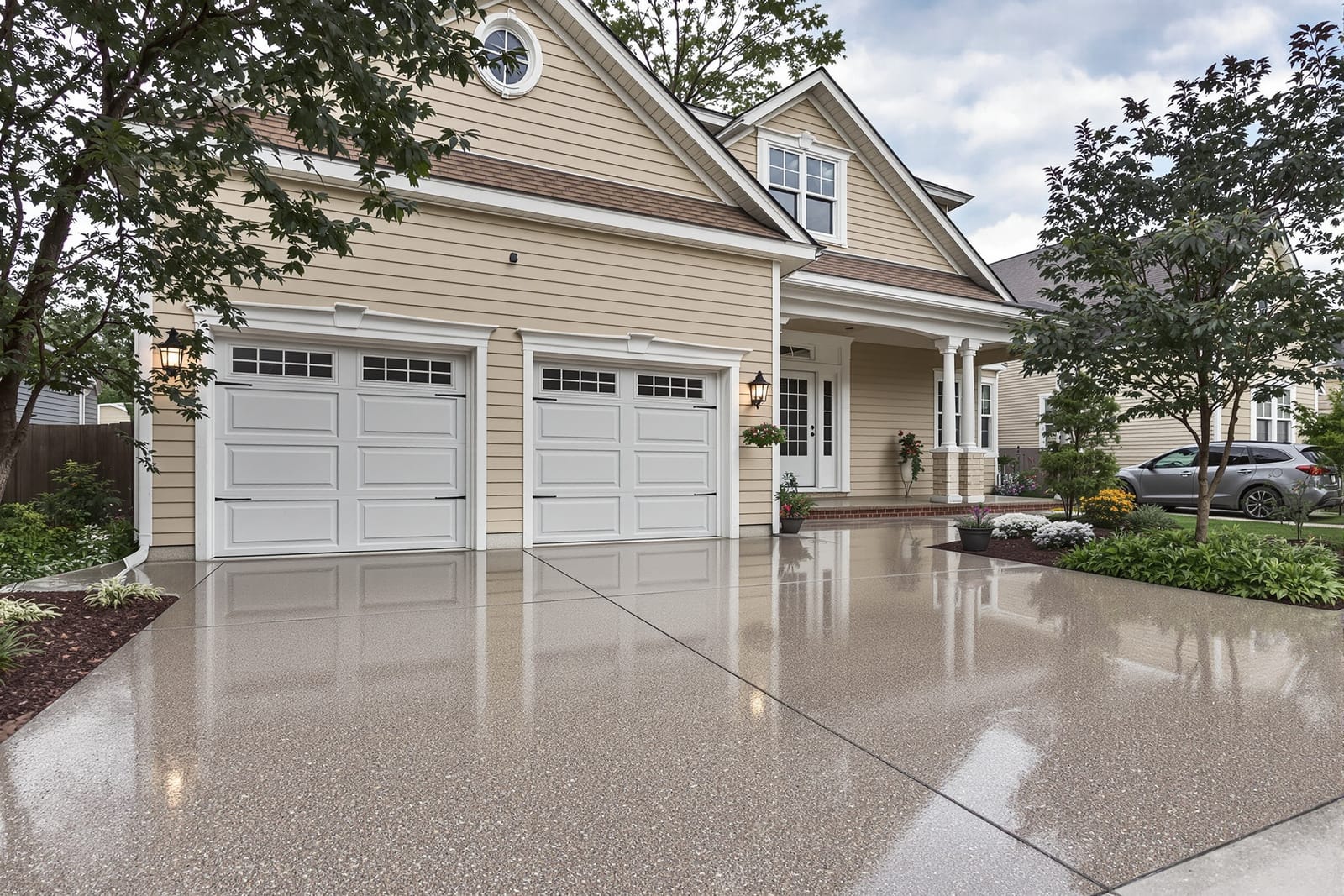
Durable Garage & Basement Floors for New Orleans Homes
A concrete garage floor or basement slab in New Orleans has to deal with more than parked cars. Our soil movement, high humidity, and frequent heavy rains all put stress on your concrete. Superior Concrete New Orleans designs and installs slabs that handle these local conditions so you get a floor that stays flatter and cleaner for years.
We work on all types of properties across New Orleans and nearby parishes: single shotgun homes with tight rear garages, raised cottages with partial basements, newer slab-on-grade houses in Gentilly and New Orleans East, and larger garages in Jefferson Parish. Before we talk about finishes or colors, we look at how your home is built, how water moves across your lot, and what you plan to store or park on the slab.
Whether you want a simple, tough concrete garage floor for daily vehicles or a finished basement floor that looks more like interior flooring, we match the concrete mix and reinforcement to your actual use. Our goal is a surface that resists cracking, sheds water toward the right drains, and can be cleaned without special products or tools.
How We Install Concrete Garage Floors & Basement Slabs
A successful concrete garage floor starts with proper evaluation, not just pouring and hoping for the best. Our crew at Superior Concrete New Orleans begins by checking existing concrete, measuring elevations, and noting where water currently pools after a storm. For new slabs, we mark slab thickness, slope direction, and drain locations so the surface sends water where it belongs instead of toward doors or walls.
Site prep is the next critical step. In garages, we remove soft or organic material, compact the subgrade, and, where needed, install a layer of crushed stone to help with drainage and to support the slab evenly. In below-grade or partially below-grade basements, we pay special attention to moisture. We install a vapor barrier under the slab when conditions call for it so ground moisture does not come up through the concrete and damage finishes.
Reinforcement is chosen based on the size and use of your space. For small residential garages, we often use welded wire mesh combined with fiber-reinforced concrete to reduce surface cracking. For larger garages, heavy trucks, or workshop spaces, we may add rebar in a grid pattern, especially near construction joints and door openings where cracks often start.
We then set forms and use control joints strategically. Joints are planned at specific intervals and at changes in shape, for example where a garage steps into a storage bay, so natural shrinkage cracks follow our planned lines instead of running across the middle of your floor. This planning is one of the main differences between a basic pour and a professional slab that still looks good years later.
During the pour, we monitor consistency of the mix, ensure reinforcement stays in the correct position, and use power screeds and hand tools to achieve a flat surface with the correct slope. In coastal Louisiana humidity, proper curing is essential, so we use curing compounds or wet curing methods to slow down evaporation, which helps the slab gain strength and reduces the risk of early cracking or dusting.
Finish & Design Options for Your Concrete Garage Floor
A concrete garage floor does not have to look like a dull gray pad. Once the slab is structurally sound, finish options can improve appearance, traction, and ease of cleaning. Superior Concrete New Orleans helps you choose a finish that fits how you use the space and the level of maintenance you are comfortable with.
For basic durability, we offer a smooth, steel-troweled finish with light texture for traction. This is popular for standard garages that see daily vehicle traffic and light storage. For homeowners who work on cars or run a small workshop, we often recommend a slightly more textured broom finish, which provides better grip if oil or water is on the floor.
If you want a more upscale or living-space look, especially in basements, we can polish the concrete to expose fine aggregate, then apply concrete densifiers that harden the surface and reduce dusting. Polished concrete is low maintenance, handles moisture swings well, and can be left natural gray or tinted with stains for a warmer tone.
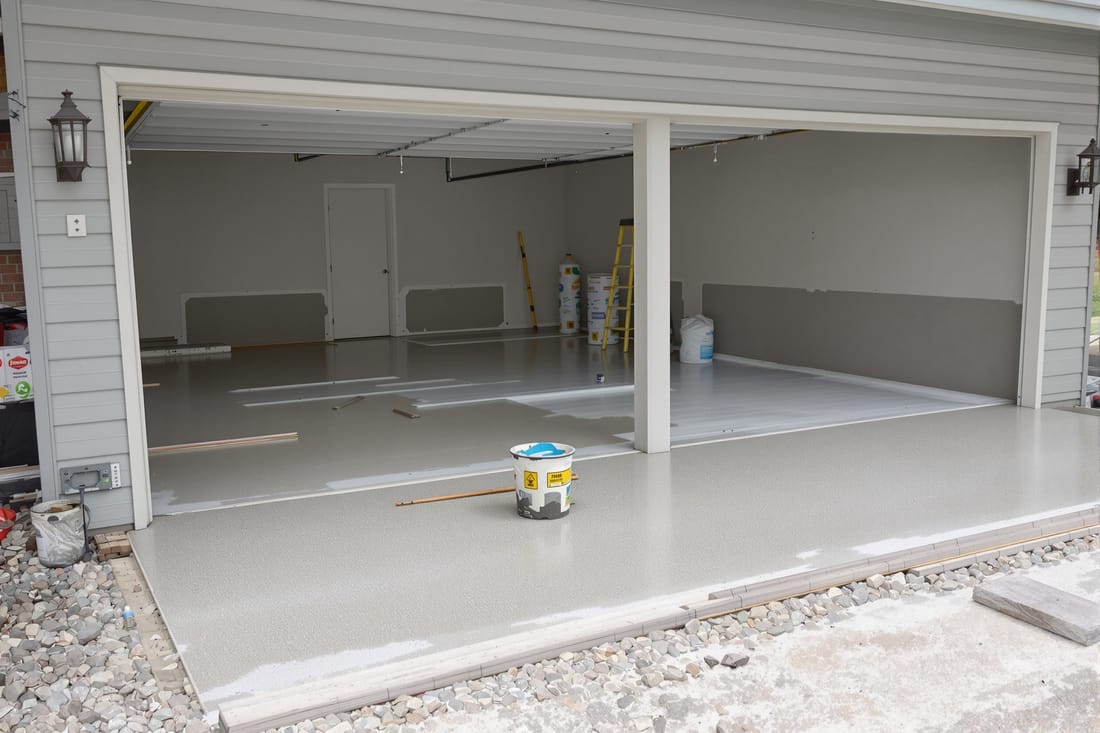
Coatings are another option, particularly epoxy or polyaspartic systems. These create a chemical-resistant layer that is easier to wipe clean and can be customized with color flakes or solid colors. In our climate, we prepare the surface carefully by grinding, cleaning, and doing moisture tests before applying any coating. If vapor readings are too high, we may recommend a breathable sealer or additional moisture mitigation instead of a traditional epoxy to avoid peeling.
For basement floors where comfort is a priority, some clients choose a stained and sealed finish that works well with rugs or modular flooring laid on top. We discuss how each finish behaves in our humid environment so you are not surprised by condensation or slippery spots when the weather shifts.
What Affects Cost for Garage & Basement Concrete Floors
Homeowners in New Orleans often ask why concrete garage floors vary so much in price. The cost is driven by several factors that we explain in our written estimates so you can see where your money is going.
Slab thickness and reinforcement are major cost drivers. A light-use single-car garage may be fine with a 4 inch slab and fiber reinforcement, while a space that will hold a large truck, boat, or heavy equipment is better served with 5 or 6 inches of concrete and a rebar grid. This adds materials and labor but can prevent costly structural problems later.
Access and removal also matter. Many older New Orleans properties have narrow driveways or rear-yard garages. Getting equipment and concrete to these locations can require smaller machinery, more hand work, or pumping, which influences the price. If we must remove an old, failing slab, disposal fees and extra labor are included in the project cost.
Moisture control and drainage are often overlooked but very important. Adding a vapor barrier, base stone, or drains to move stormwater away from your garage or basement involves more material and careful layout. In areas with known standing water problems, we may recommend additional work to protect the slab and adjacent walls. Investing in drainage during the floor project often costs less than dealing with repeated moisture damage or mold later.
Finish choices also affect pricing. A basic broom-finished garage slab is the most economical option. Additional surface preparation, polishing, decorative cutting, or multi-coat high-performance coatings increase the cost but can extend the life of the floor and make it more enjoyable to use.
At Superior Concrete New Orleans, we present at least one practical option and, when helpful, an upgraded version. You can then decide whether enhanced reinforcement, drainage, or finishes are worth the additional investment for how you plan to use the space.
Common Problems With Existing Garage & Basement Floors
Many of our garage and basement projects in New Orleans begin as repairs or replacements of problem slabs. Understanding what went wrong helps you choose better solutions the second time around.
One of the most common issues is cracking caused by poor subgrade preparation or missing control joints. Thin or unreinforced slabs placed over soft soil tend to settle unevenly, which creates trip hazards and makes it harder to roll tool chests or jacks. In basements, this can also allow water to collect in low spots. When we evaluate your floor, we use straightedges and levels to identify settlement, and we look for patterns in cracking that point to underlying causes.
Moisture is another recurring problem. In our climate, water can come from the ground below, sideways from yard drainage issues, or as condensation when warm humid air hits a cool slab. Symptoms include damp spots that never fully dry, white powdery residue (efflorescence), or peeling paint and coatings. Depending on severity, options may include topical moisture mitigation, drainage improvements around the structure, or in some cases removal and replacement with a properly detailed slab.
Surface deterioration can show up as flaking, dusting, or spalling, often due to improper finishing or curing, exposure to deicing salts from trips outside the city, or past flooding. We inspect the surface by scraping and tapping to see whether the damage is shallow or extends deeper into the concrete. Light damage might be handled with grinding and a protective coating. More serious deterioration usually benefits from a new slab with improved mix design and curing.
In basements, low ceiling heights, existing columns, and utility lines can limit what is feasible. We account for these constraints so any new floor stays compatible with your doors, stairs, and mechanical systems. When a full replacement is not practical, we discuss targeted repairs and leveling to get the best improvement within your constraints.
Why Work With Superior Concrete New Orleans
Choosing a contractor for a concrete garage floor or basement slab is not only about who offers the lowest price. It is about who understands New Orleans construction patterns, local soils, and drainage. Superior Concrete New Orleans has worked on properties from historic neighborhoods to newer subdivisions, and we tailor our approach to each home rather than applying a one size fits all template.
Before any work begins, we take time on site to talk through how you use your garage or basement. Do you need to support a lift for mechanical work, store fishing and boating gear, or create a play space that needs to be easy to clean after a stormy day? These details influence how we specify the slab, joints, and finishes. We put those decisions in writing so you know exactly what is being installed and why.
Communication continues during the job. We let you know when noisy or dusty work will happen, what to move out of the way, and how long you need to stay off the slab after placement. After installation, we explain basic maintenance, including how long to wait before parking vehicles, what cleaners are safe, and when to consider resealing or recoating.
Our goal is that your garage or basement floor quietly does its job in the background for many years. By focusing on preparation, reinforcement, moisture control, and locally appropriate finishes, we help you avoid the recurring problems that so many older slabs in New Orleans face. If you are considering a new concrete garage floor or an upgrade to your basement slab, we are ready to inspect your space, offer clear options, and complete the work with careful attention to detail.